Back to BlogInterior design
No More Toy Chaos: Design a Kid’s Room That Practically Cleans Itself
Home PlannerApp Team · August 15, 2026
Design a Kid’s Room That Stays Tidy and Grows with Them! A practical step-by-step guide to organizing a child’s bedroom with smart storage, flexible layout, and daily routine zones. Learn how to plan a tidy, functional, and joyful space for toddlers and school-aged kids using Home Planner.
How to Plan a Kid’s Room That Stays Tidy
1. Define the Real Needs
- Age & stage: toddlers, school kids, or both?
- Activities: sleep, play, reading, crafts, homework?
- Storage needs: clothes, toys, books, seasonal items?
- Sharing? Siblings = zones or duplicate items
- Child’s habits: do they like open space or cozy corners?
2. Zoning = Instant Order
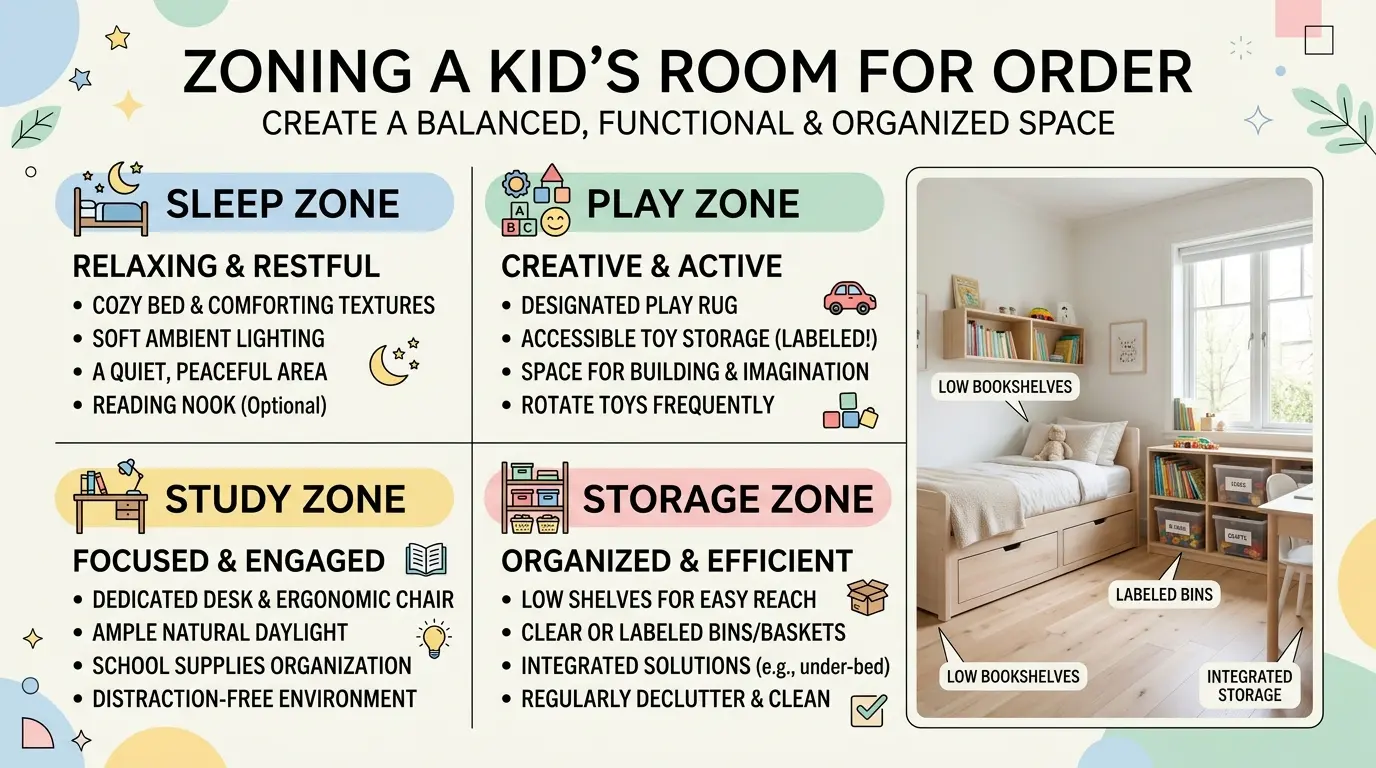
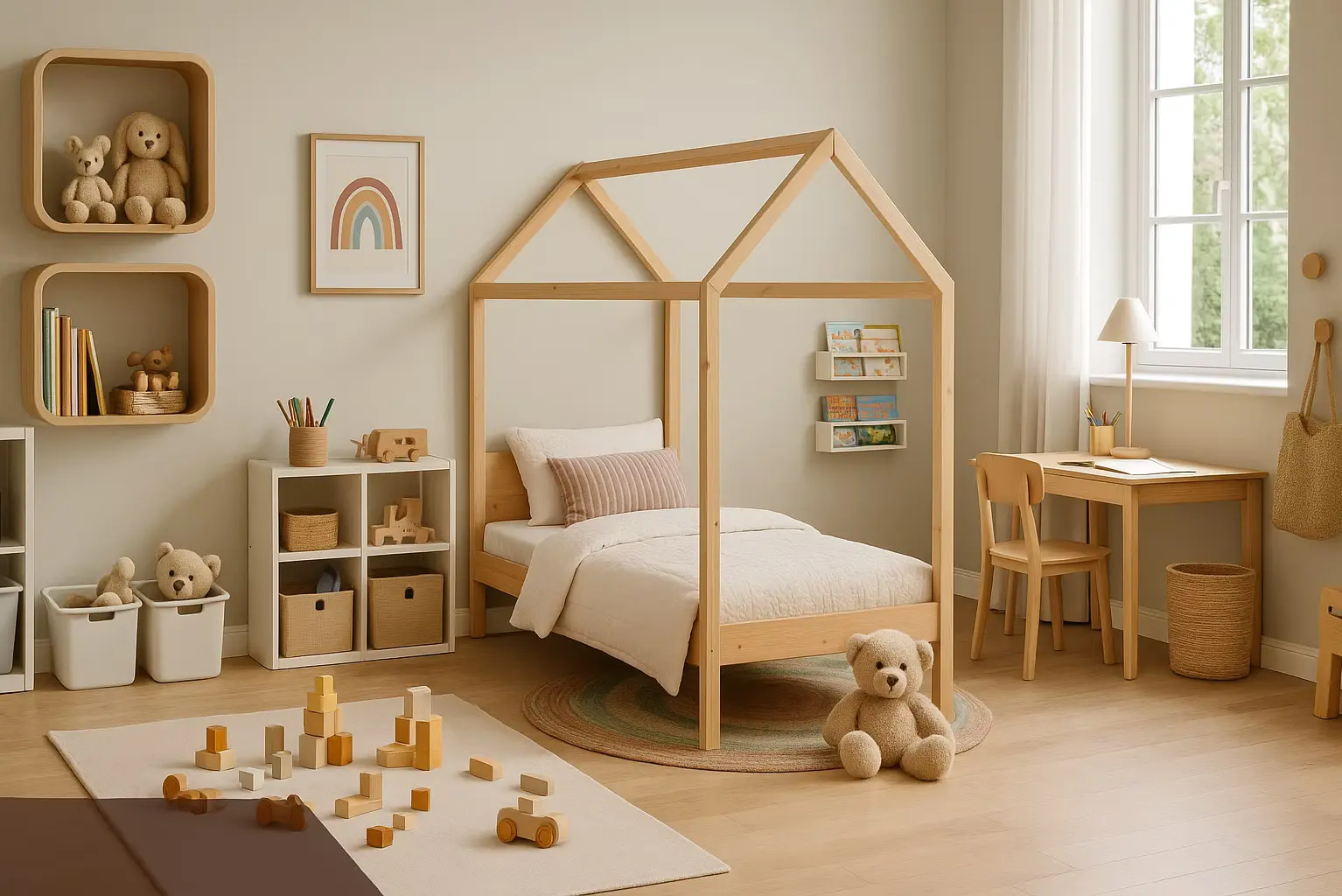
- Clear zones:
- Sleeping
- Playing
- Learning
- Storing
- Separate zones visually: with rugs, colors, or furniture
- Leave space to move — avoid overcrowding
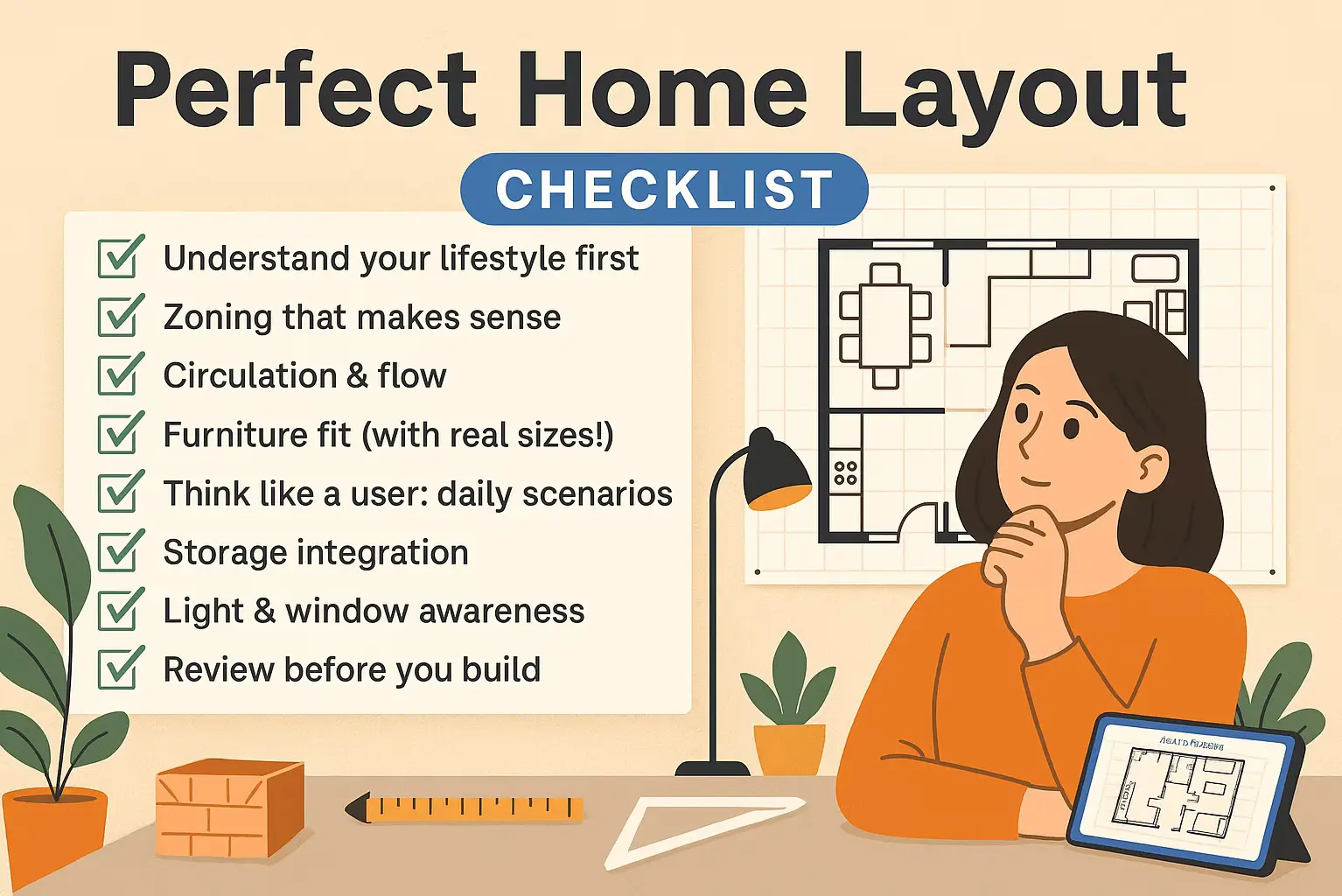
- Use Home Planner to test layout with real furniture sizes
3. Smart Storage = Less Mess
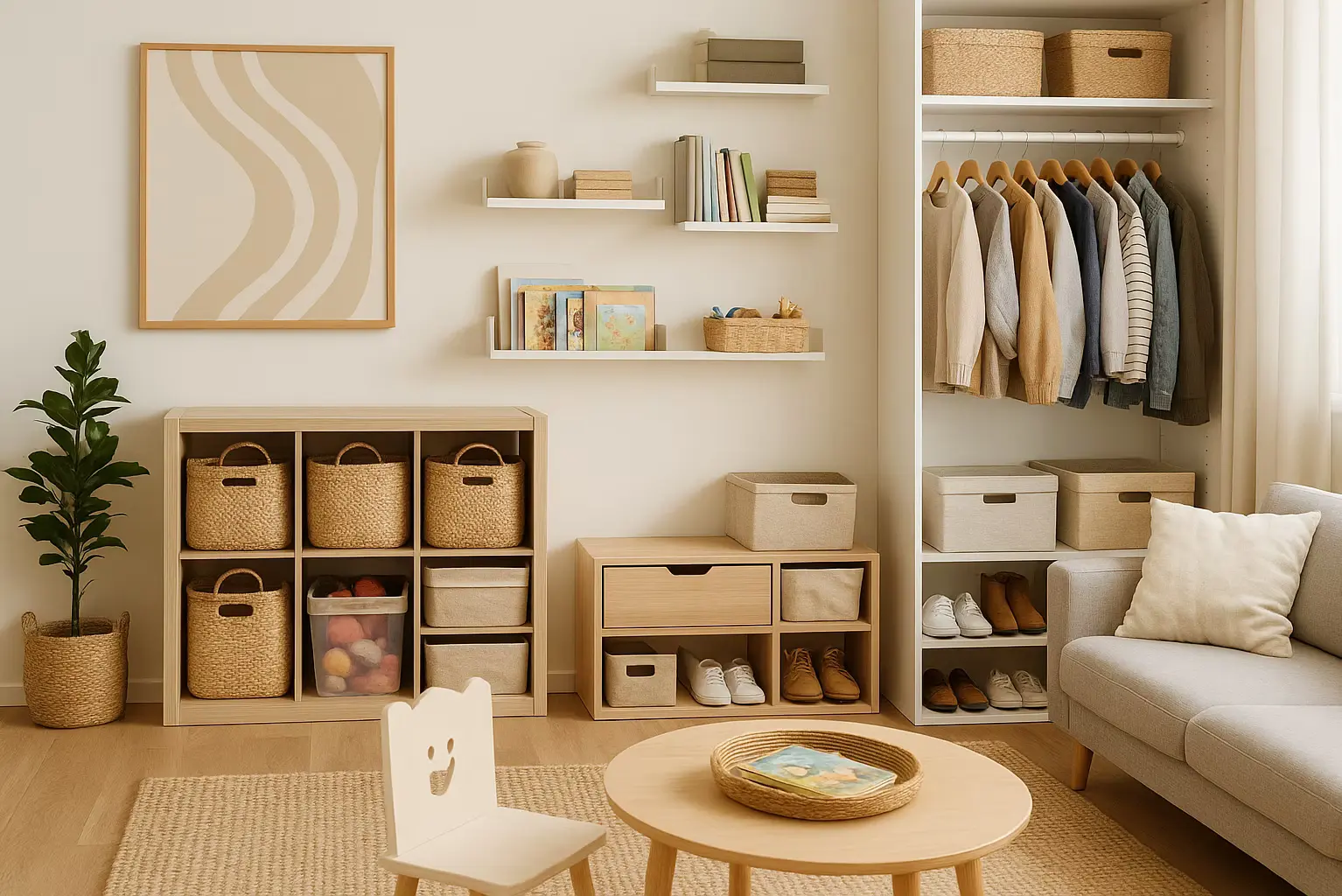
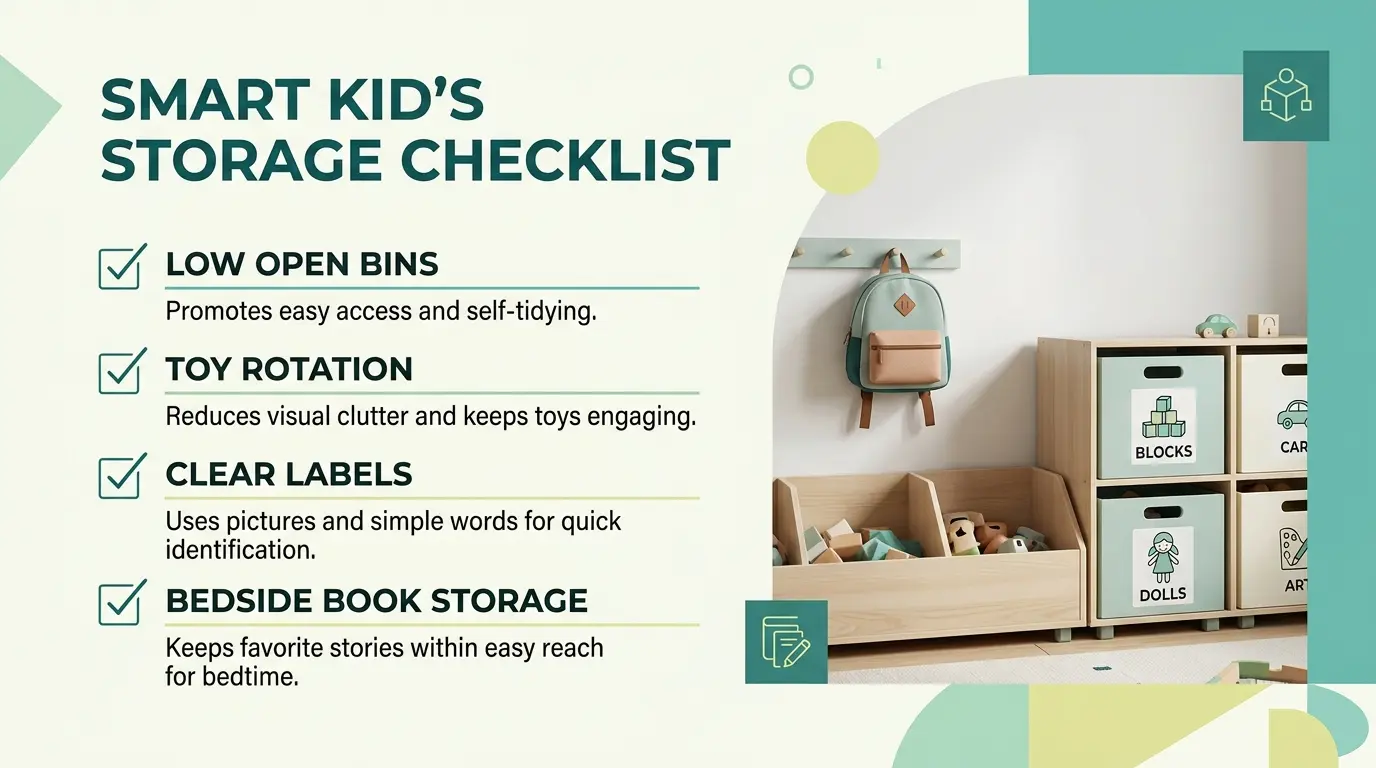
- Low open bins for toys – kids clean up without help
- Closed storage for extra toys or art supplies (adult-controlled)
- Labeled boxes or pictures for pre-readers
- Rotate toys monthly — keep 30% out, 70% hidden
- Storage near activity: books by bed, toys near play zone
4. Furniture That Works for Kids
- Use child-height furniture they can use independently
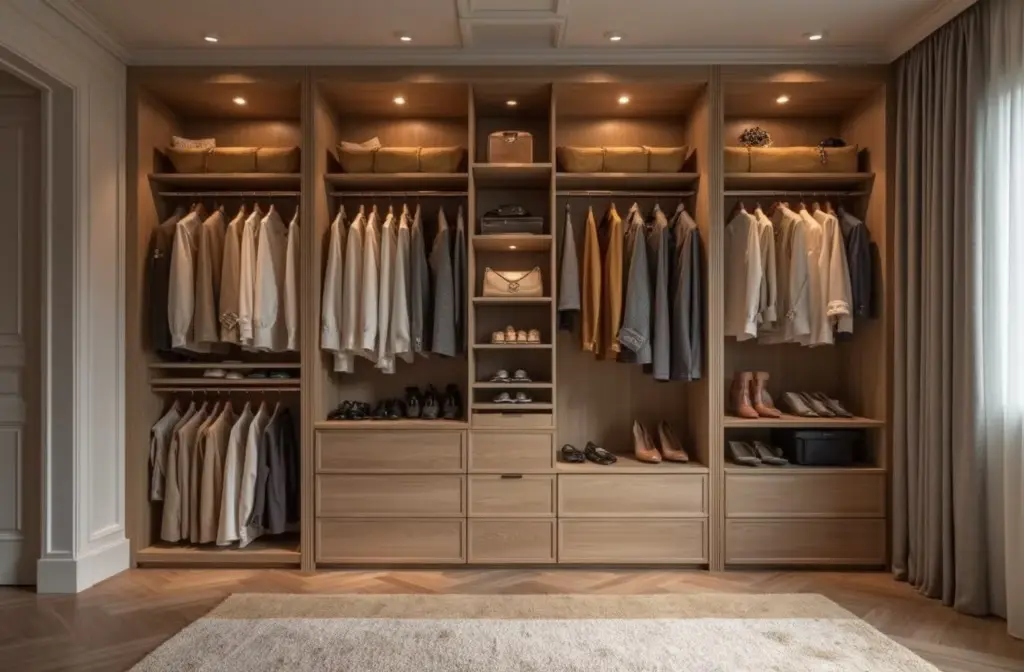
- Prefer multifunctional pieces (bed with drawers, storage bench)
- Wall-mounted shelves = more floor space
- Hooks at kid-height for clothes or bags
- Easy-clean materials: nothing too delicate or heavy
5. Simple Style = Easy Reset
- Calm color base + accent decor (can update easily)
- Natural light + layered lighting (overhead + lamp + nightlight)
- Avoid visual noise: fewer patterns, less clutter
- Use Home Planner to try out colors and furniture combinations
- Leave “white space” — don’t fill every wall or surface
6. Daily Routines Made Easy
- A place for everything: even pajamas and toys-in-progress
- Morning & evening zones (get ready / wind down)
- Add a small laundry bin in the room
- Clean-up basket: quick sweep at bedtime
- Let your child help plan — they’ll use what they feel ownership of
Bonus Tip:
Use Home Planner to:
- Design a kid room layout with real sizes
- Visualize storage and movement zones
- Export a PDF report with furniture list and plan
- Share editable designs with co-parents or decorators
Home Planner
Try it on your own project
Free app for iPhone, iPad, Mac, Android and Windows.
TagsGuide